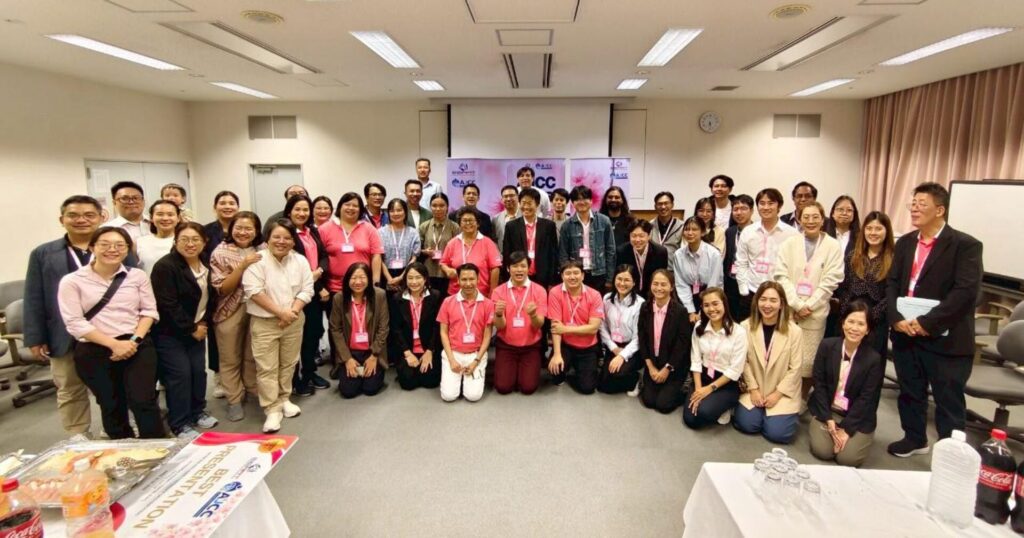
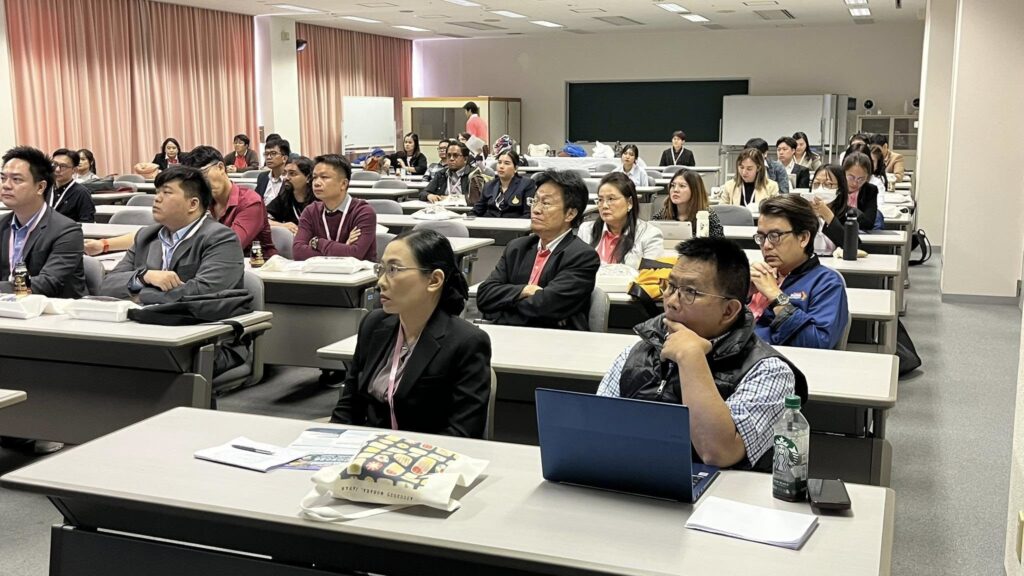
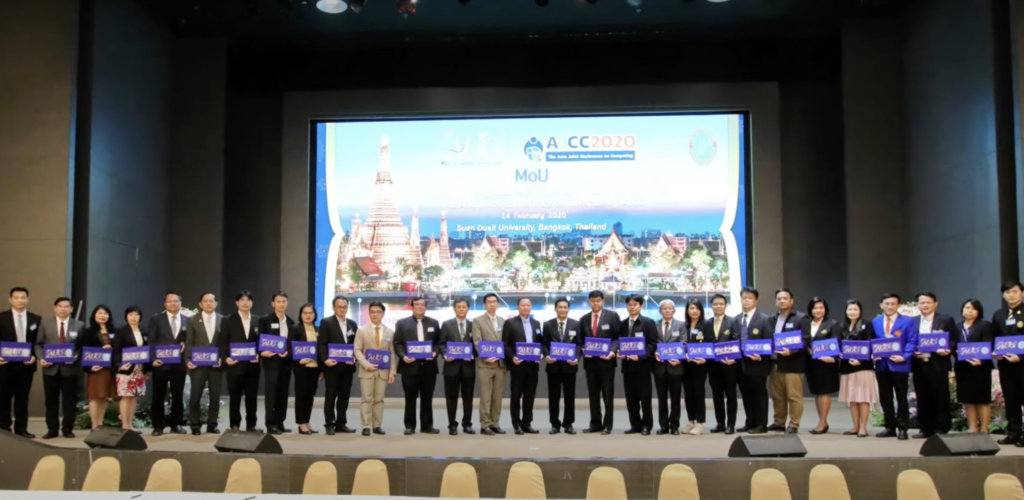
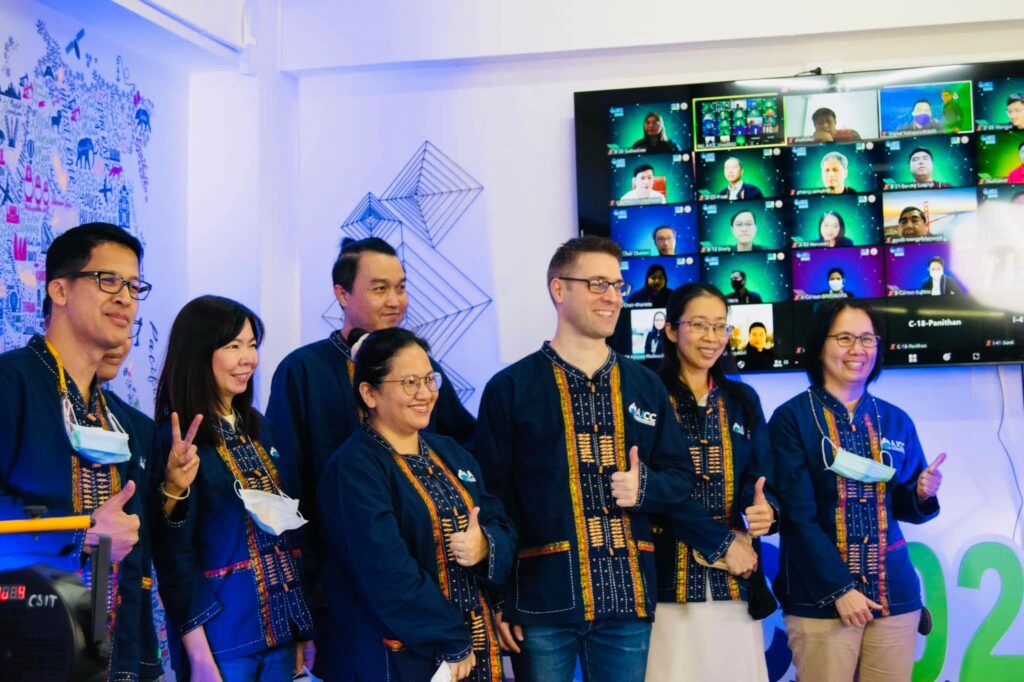
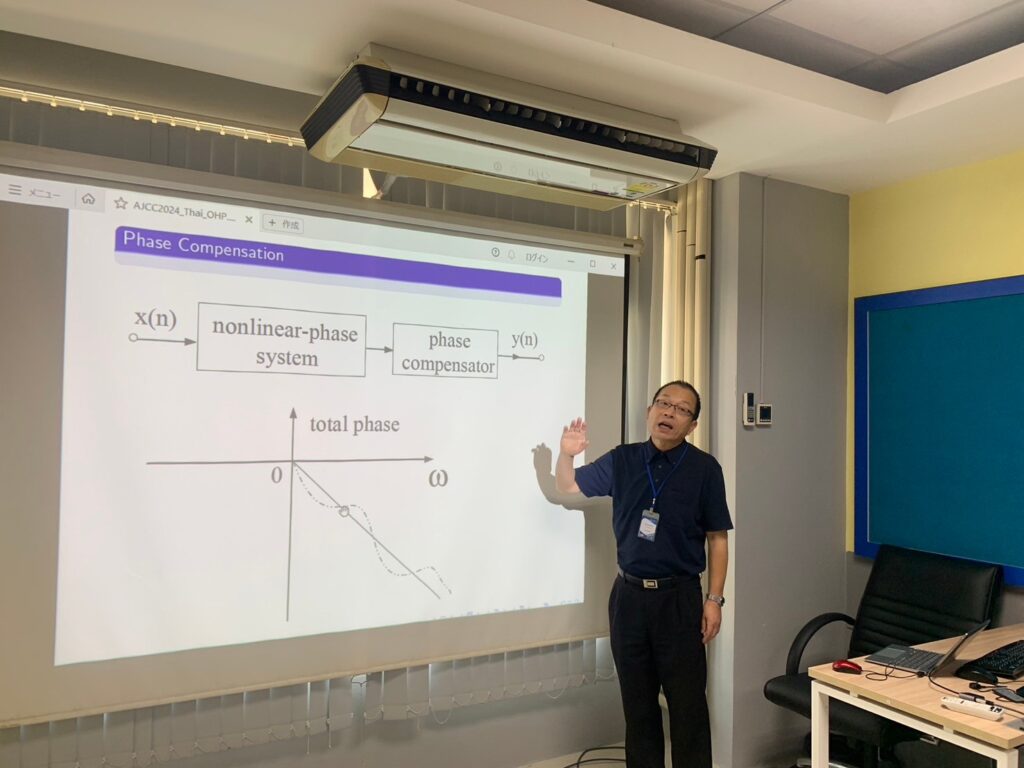
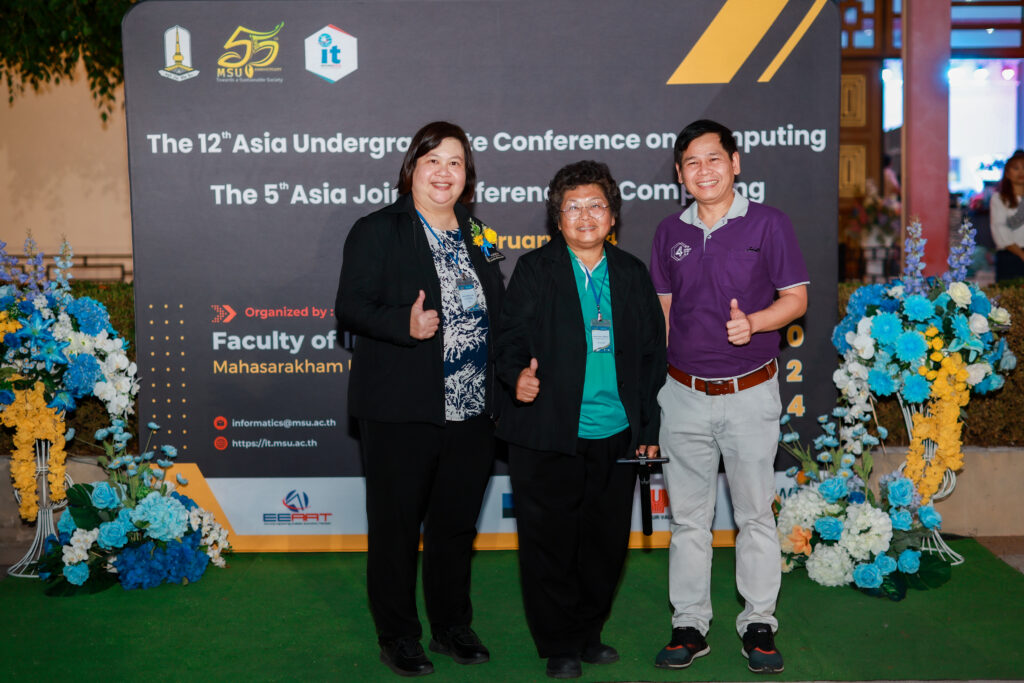
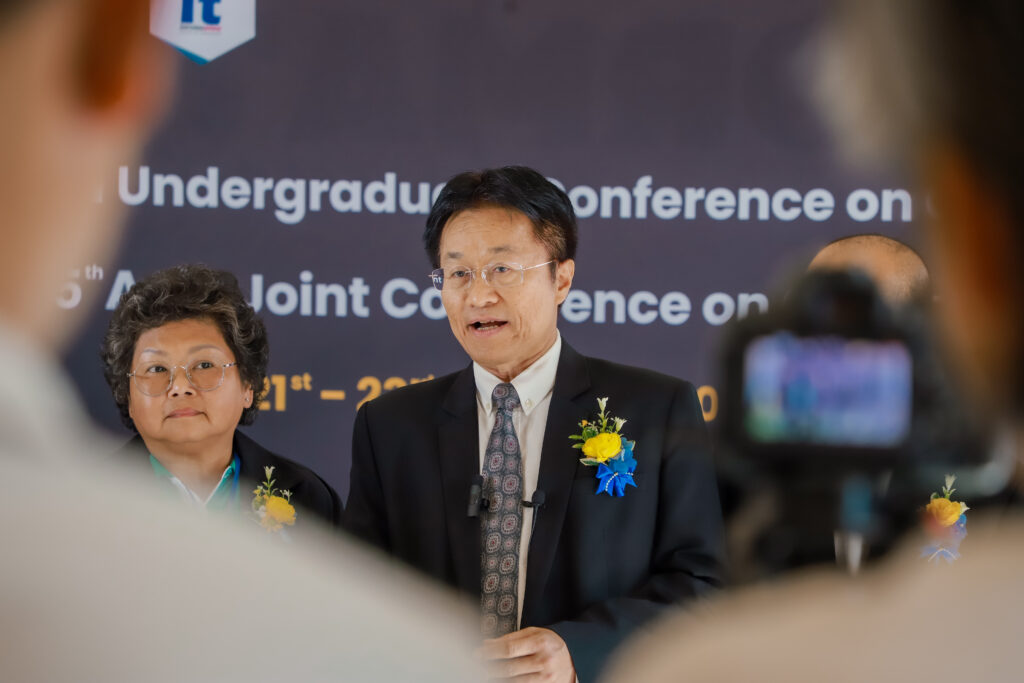
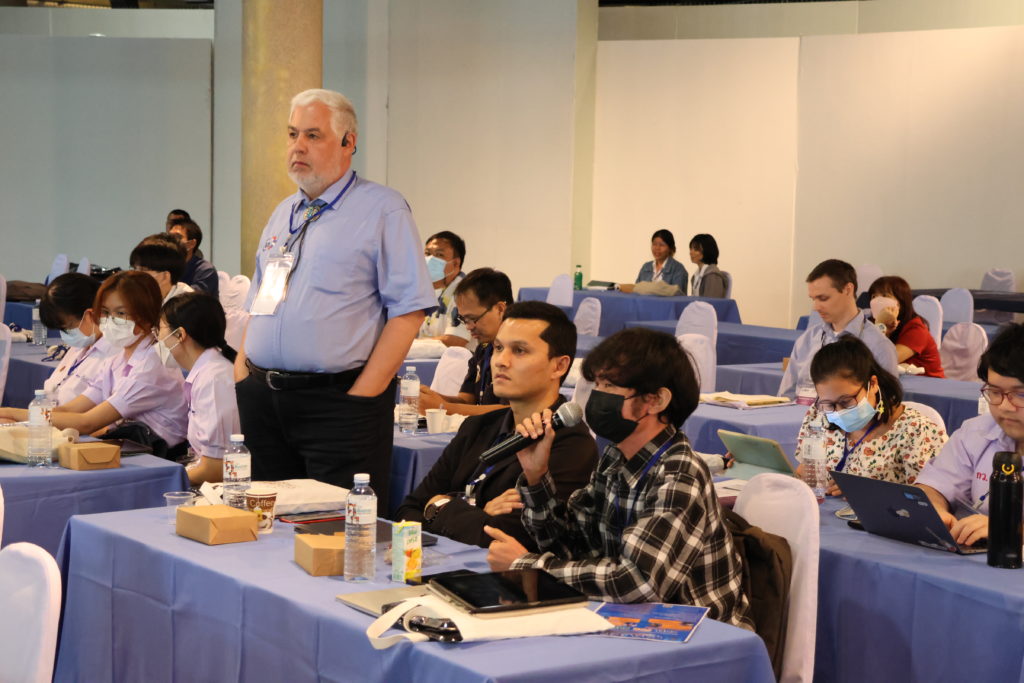
In 2020, the Asia Joint Conference on Computing (AJCC) was established by a network of universities. The first AJCC conference was held from 14 to 16 February 2020 at Suan Dusit University.

The Asia Joint Conference on Computing
Since, Information and computer technology play a vital role in several industrial sectors, the Asia Joint Conference on Computing (AJCC) provides a platform for engineers and scientists from both industry and academia to present their ongoing work, relate their research outcomes and experiences, and discuss the best and most efficient techniques for the development of reliable, secure, and trustworthy systems. It also represents an excellent opportunity for the academic community to become more aware of subject areas critical to the software industry to inform the next generation of developers soon graduating from universities.
We accept articles in the following topics, but not limited to:
- Artificial Intelligence
- Software Engineering
- Knowledge and Data Management
- Computer Systems and Networks
- Multimedia, Computer Graphics and Games
- Data Science and Analytics
- Embedded Systems and Internet of Things (IoT)
- Computer Business
- Geographic Information System
- Data Privacy

In 2025, EEAAT and AJCC expanded the conference scope to include research in electrical technologies. Accordingly, the conference was renamed the Asia Joint Conference on Computing and Electrical Technologies, while retaining the abbreviation “AJCC.”
The Asia Joint Conference on Computing Logos
May 2025: After AJCC was renamed to the Asia Joint Conference on Computing and Electrical Technologies, a new logo was designed to reflect the change by incorporating the term “Electrical Technologies.”

Old AJCC Logo

New AJCC Logo
We have included two research topics in the AJCC Call for Papers: Electrical Technologies and Renewable Energy.
- Electrical Technologies: including Smart Power Systems and Energy Technologies, Power electronics, Advanced Electronics and Embedded Systems, Communications, Electromagnetics and Signal Processing, Control Systems and Intelligent Automation, Sustainable and Green Technologies in Electrical Engineering, Other related topics in Electrical Technologies.
- Renewable Energy: including Smart Grid Technology, Energy Efficiency and Management, Other related topics in Renewable Energy.